How digiCOACH helps systematize the work
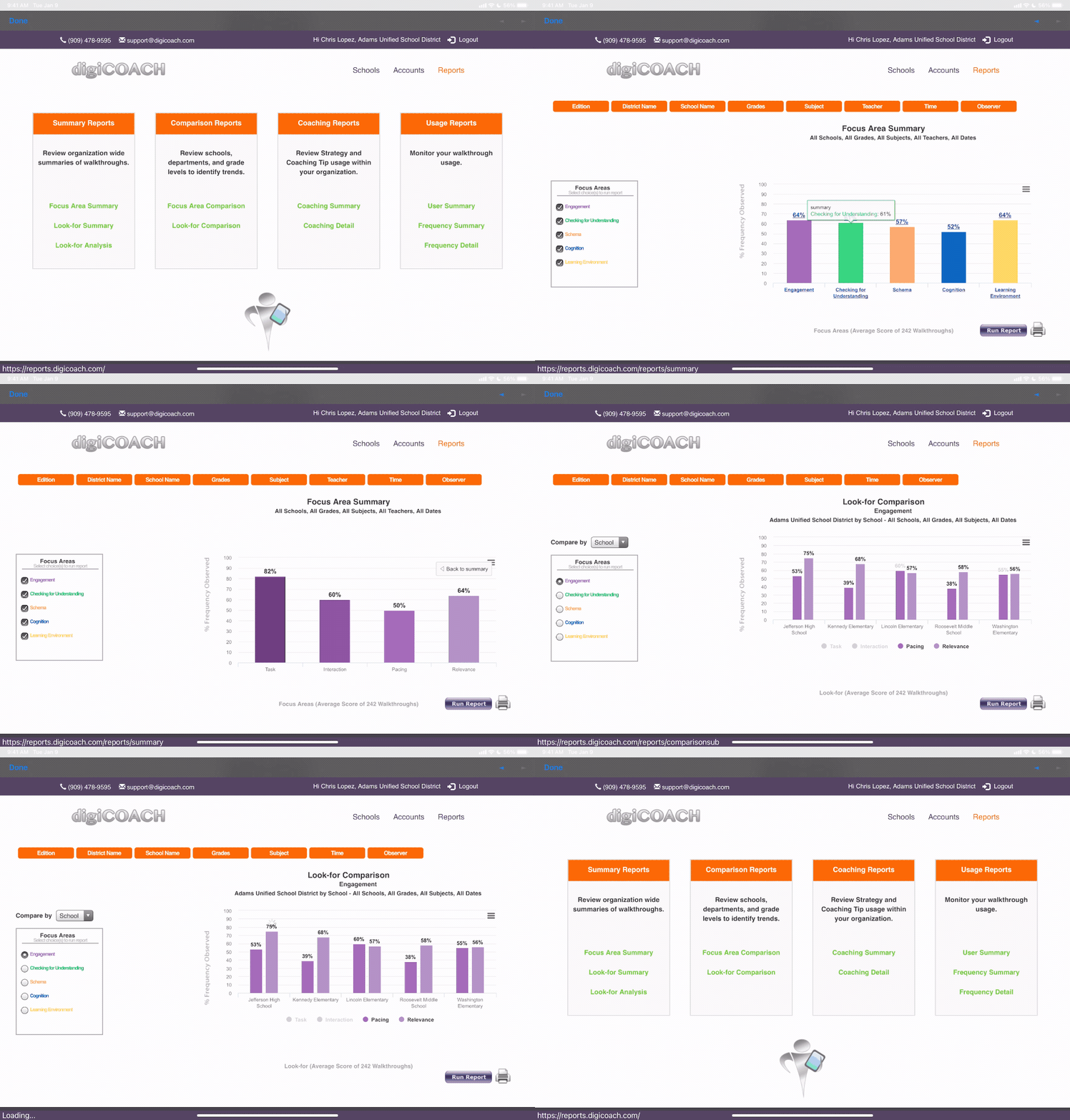
digiCOACH gives leaders a framework for informal walkthroughs, a place to align focus areas and look-fors, tools to support meaningful feedback, and reports that help teams disaggregate data in many different ways.
The result is a more consistent approach to classroom visits, better feedback for teachers, and a clearer view of instructional priorities across classrooms and schools.
Start with a focused framework
Systematized walkthroughs begin with shared clarity. Leaders need to define what they are looking for before they enter classrooms. That means selecting focus areas, building look-fors, and agreeing on what evidence will help the team understand instructional practice.
A strong look-for is objective, observable, coachable, measurable, and written in succinct language. If a look-for is too broad or too complex, it becomes hard to observe consistently and even harder to coach around.
The power of informal walkthroughs is not in the visit alone. The power is in the feedback, the follow-up, and the shared understanding leaders build with teachers over time.
Why feedback needs a system
Feedback improves the quality of teaching, supports student learning, and creates a springboard for collective action. Yet many teachers still go long stretches without receiving specific, actionable feedback about their practice.
That gap is not usually caused by a lack of care. It is often caused by a lack of system: no common walkthrough framework, no calendared time, no shared instructional focus, no easy way for multiple observers to contribute, and no way to turn observation notes into useful data.
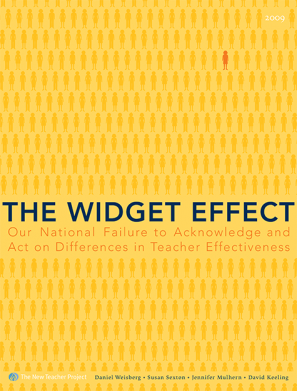
Nearly three-quarters of teachers in The Widget Effect reported not receiving specific feedback on improving performance in their last evaluation.
Make feedback helpful, not performative
Grades do not grow learners, and scored evaluations do not grow teachers. The growth happens when feedback is specific, timely, and tied to something the teacher can reflect on or try next.
Helpful feedback names evidence and gives a teacher a useful next move. Feedback that is harsh, vague, or overly lengthy can miss the mark, especially when AI-generated comments sound polished but are not specific to what happened in the classroom.
The power is in the feedback.
Instead of simply correcting behavior, strong coaching feedback explains what was observed, why it matters, and what next step could increase student engagement or learning. That is the difference between a checklist and a coaching system.
Put observational data into practice
Walkthrough data becomes meaningful when teams use it to guide coaching, PLC conversations, professional learning, and next-step planning. Reports should help leaders answer practical questions: What strengths are emerging? Where are teachers asking for support? Which priorities need more attention?
Ready to strengthen your walkthrough system?
Informal walkthroughs become more powerful when leaders have a clear focus, a consistent process, and an easy way to turn classroom evidence into timely coaching conversations. digiCOACH helps schools and districts bring that work together so walkthroughs are easier to complete, feedback is easier to share, and instructional priorities stay visible over time.
If your team is ready to improve classroom walkthroughs, strengthen coaching efforts, or make better use of observation data, the digiCOACH team can help you design a process that fits your goals.